EXPLORE · UNDERSTAND · APPLY
Artificial Intelligence,
made clearer.
Demystify AI technologies and their real impact on business, innovation and society.
FEATURED
-
Claude Haiku 5.5: Why Cheaper AI Models Matter for Everyday Automation
Read article →: Claude Haiku 5.5: Why Cheaper AI Models Matter for Everyday AutomationClaude Haiku 5.5 brings lower API prices to high-volume AI tasks. Discover what the pricing changes mean, where a smaller model could help, and how to evaluate the real cost of automation.
Latest insights
-
llama.cpp 1.0: What Changes for Local AI
llama.cpp 1.0 introduces new compatibility rules and adds an FP8 cache for long prompts. See what to check before updating your local AI setup.
-
ChatGPT Wallet: How AI Agents Pay With Your Approval
ChatGPT Wallet lets a dot complete checkout after you approve the purchase. See who can use it, what the payment token protects, and when an order is confirmed.
-

Gemini 4 Hydrogen and the Cost of Running Coding Agents
Google’s Gemini 4 Hydrogen gives coding agents four reasoning levels. See how to split work between Hydrogen and Carbon, and measure what each accepted patch costs.
-
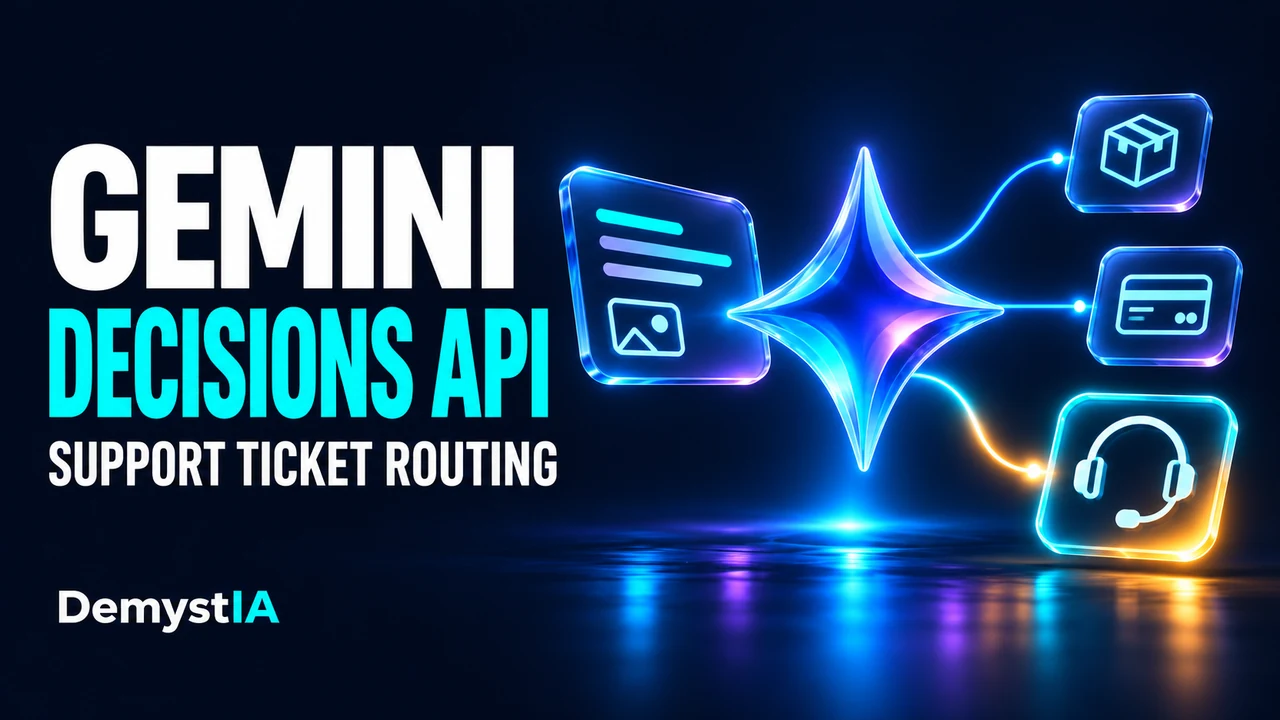
Gemini Decisions API: How Google’s AI Routes Support Tickets
Google’s Gemini Decisions API scores predefined choices across text and media. A support-ticket example shows how to set review thresholds, test reliability and estimate the cost.
-
Gemini 4 Carbon: When Should Developers Use It Over Argon?
Google’s Gemini 4 Carbon is built for difficult coding jobs. We explain where it fits alongside Argon, what the first benchmarks show, and how to compare both models on your own codebase.
-

Google TPU 8tx and 8i Max Explained
Google’s latest TPU systems focus on confidential computing and large-context AI. We explain the differences between 8tx and 8i Max, why memory bandwidth matters, and how businesses can assess software compatibility and deployment costs.