
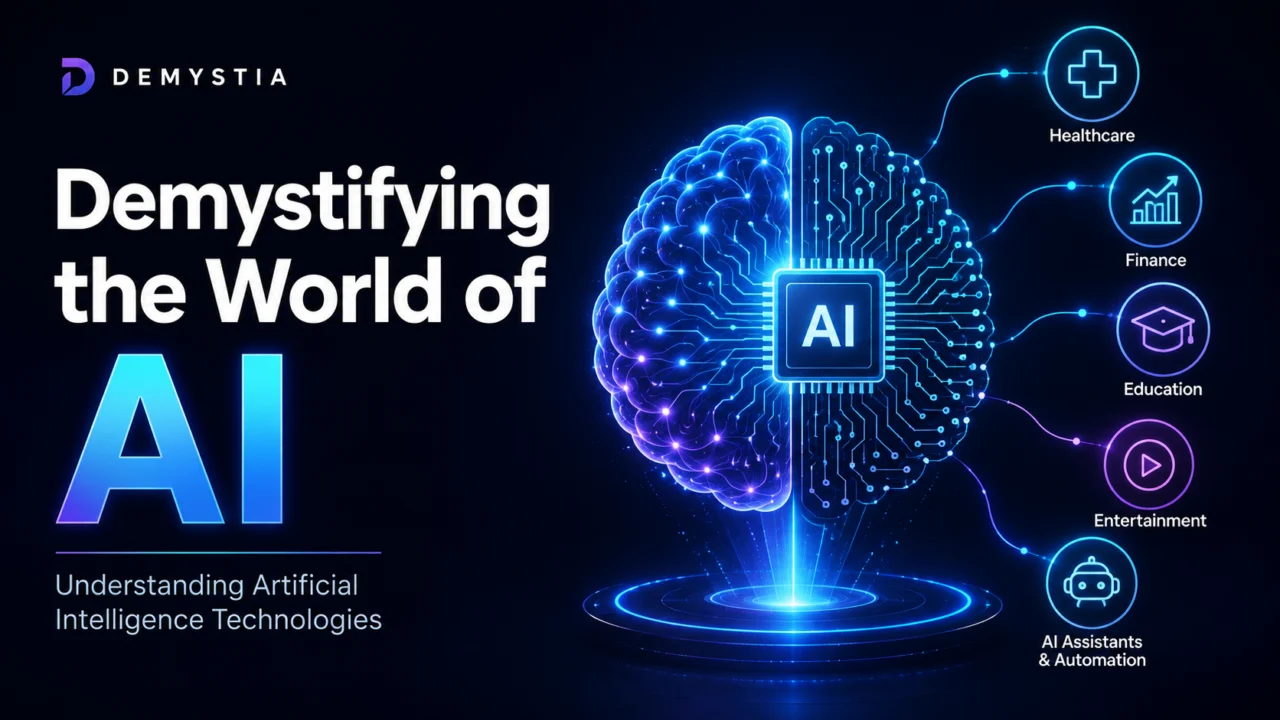
The Fundamentals of Artificial Intelligence
Artificial Intelligence (AI) is a multifaceted domain of computer science focused on the development of systems that can perform tasks that typically require human intelligence. These tasks include reasoning, learning, problem-solving, understanding natural language, and even perception. The history of AI dates back to the mid-20th century, when pioneers like Alan Turing and John McCarthy laid the groundwork for what would become a transformative field. Initially a theoretical endeavor, AI has evolved vastly over the decades, fueled by advancements in computing power and an increasing abundance of data.
Categories of AI Systems
Narrow AI
Narrow AI, also known as weak AI, refers to systems designed to perform specific tasks. These include language translation, facial recognition, spam filtering, and recommendation engines. Narrow AI is prevalent in everyday applications and is the most widely deployed form of AI today.
General AI
General AI, or strong AI, is a theoretical concept describing machines that possess the ability to understand, learn, and apply intelligence across a wide array of tasks—similar to human cognition. While still aspirational, general AI represents the next frontier in artificial intelligence research.
Superintelligence
Superintelligence refers to a stage where AI surpasses human cognitive abilities. This concept raises profound philosophical and ethical questions about control, autonomy, and the future of human-machine interaction. It’s a topic of intense debate among technologists and ethicists.
Core Technologies Behind AI
Machine Learning
At the heart of AI lies machine learning, a subset focused on enabling computers to learn from data without being explicitly programmed. Algorithms are trained on datasets to identify patterns and make predictions or decisions.
Deep Learning and Neural Networks
Deep learning is a specialized area of machine learning that uses multi-layered neural networks to process vast amounts of data. These networks mimic the structure of the human brain, allowing systems to recognize complex patterns in images, text, and audio.
Data as Fuel
AI systems thrive on data. From digital interactions to sensor outputs, data is collected, processed, and used to train models. The more diverse and voluminous the data, the more accurate and capable the AI becomes.
Applications and Impact of AI in Today’s World
AI is no longer confined to research labs—it’s embedded in the fabric of modern society. Its applications span industries, transforming how services are delivered and how decisions are made.
Healthcare
Predictive Analytics and Diagnosis
AI is revolutionizing healthcare through predictive analytics. Machine learning models analyze historical patient data to forecast disease outbreaks, identify at-risk individuals, and recommend personalized treatment plans.
Hospital Management
Hospitals use AI for resource allocation, patient scheduling, and workflow optimization. These tools improve efficiency and enhance patient outcomes by reducing wait times and streamlining operations.
Finance
Fraud Detection and Risk Assessment
Financial institutions deploy AI to detect fraudulent transactions and assess creditworthiness. Algorithms analyze spending patterns and flag anomalies in real-time, protecting consumers and businesses alike.
Robo-Advisors and Investment Management
Robo-advisors use AI to manage investment portfolios, offering personalized financial advice based on individual goals and risk tolerance. These platforms democratize access to financial planning and reduce costs.
Education
Personalized Learning
AI enables adaptive learning platforms that tailor educational content to students’ learning styles and paces. This personalization fosters deeper understanding and engagement.
Educator Support
AI tools help educators identify students who may need additional support, track progress, and automate administrative tasks, allowing more time for meaningful instruction.
Entertainment
Content Recommendation
Streaming services use AI to recommend movies, music, and shows based on user preferences. These algorithms enhance user satisfaction and increase platform engagement.
Immersive Experiences
AI powers virtual and augmented reality platforms, creating immersive environments for gaming, storytelling, and education. These experiences are increasingly interactive and personalized.
The Rise of Agentic AI Browsers
What Is Agentic AI?
Agentic AI refers to systems that can act autonomously on behalf of users. These agents go beyond passive assistance, proactively completing tasks, making decisions, and adapting to user behavior.
Comet Perplexity: A Game-Changer
One of the most exciting developments in this space is Comet Perplexity, an agentic AI browser that redefines how users interact with the web. Developed by Perplexity AI, Comet combines real-time search with autonomous task execution, offering a seamless and intelligent browsing experience.
The evolution of AI is also reshaping how we interact with the internet itself. A prime example is the emergence of agentic AI browsers like Comet Perplexity, which blend intelligent search capabilities with autonomous task execution. These tools represent a shift toward more proactive, context-aware digital experiences, redefining how users navigate and engage with online content.
Key Features of Comet
- Autonomous Actions: Comet can launch pages, fill out forms, and manage tabs without manual input.
- Context Awareness: It understands user intent and adapts its behavior accordingly.
- Privacy Focus: Comet emphasizes local data processing, ensuring user information isn’t used for training or advertising.
Implications for Web Navigation
Comet’s capabilities signal a shift toward proactive digital experiences. Instead of users searching and clicking, the browser anticipates needs and executes tasks, saving time and reducing friction.
Ethical Considerations and Challenges
Job Displacement
As AI automates tasks across industries, concerns about job displacement grow. While some roles may vanish, others will emerge, requiring a focus on reskilling and upskilling the workforce.
Privacy and Data Security
AI systems rely heavily on data, raising questions about privacy. Transparent data practices and robust security measures are essential to maintain public trust.
Bias and Fairness
AI models can inherit biases from training data, leading to unfair outcomes. Addressing these issues requires diverse datasets, ethical oversight, and continuous model evaluation.
Future Outlook
Expanding Applications
AI’s reach will continue to grow, influencing transportation, agriculture, legal services, and more. Autonomous vehicles, smart farming, and AI-driven legal research are just the beginning.
Human-AI Collaboration
The future lies in collaborative intelligence, where humans and AI systems work together. This synergy can enhance creativity, decision-making, and problem-solving across domains.
Regulatory Frameworks
Governments and organizations must develop regulatory frameworks to guide AI development and deployment. These policies should balance innovation with ethical responsibility.
Conclusion
Artificial Intelligence is reshaping the world in profound ways. From healthcare and finance to education and entertainment, its impact is undeniable. As technologies like Comet Perplexity usher in a new era of agentic AI, our relationship with machines becomes more dynamic and interactive. Understanding the fundamentals, applications, and ethical implications of AI empowers us to navigate this evolving landscape with confidence and foresight.